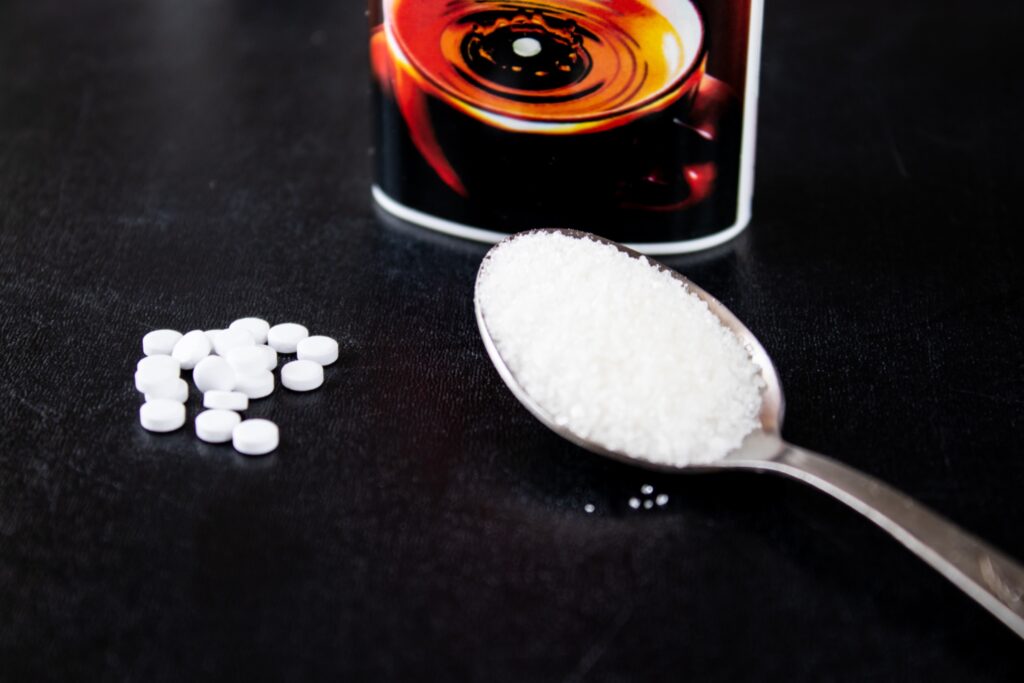
Artificial sweeteners are a hot topic today. With people becoming more health-conscious and wanting to reduce sugar intake, these sweeteners are now in everything—from sodas to snacks and even traditional desserts. For those aiming to lose weight or manage diabetes, artificial sweeteners can feel like a life-saver, providing the taste of sweetness without adding any extra calories. But recently, studies have raised questions: Can these sweeteners harm your gut health?
The gut, as we now know, plays a massive role in our health, impacting everything from digestion and immunity to mood. So, if something we consume regularly is affecting our gut bacteria, it’s worth paying attention. This blog explores what research says about artificial sweeteners, specifically sucralose, and their effects on our gut health. Let’s dive in!
What Are Artificial Sweeteners?
Artificial sweeteners are low-calorie sugar alternatives that impart sweetness to food without the caloric content of conventional sugar. One common type is sucralose (you might know it as Splenda). It’s popular because it can be 600 times sweeter than regular sugar and doesn’t add extra calories. Sounds great, right? But can it mess up our gut?
The Research: Sucralose and Gut Health
A recent study explored whether sucralose could affect the balance of bacteria in our gut. Our gut is home to trillions of bacteria that help us digest food, manage blood sugar, and keep our immune system strong. Scientists call this collection of bacteria the gut microbiome. In this study, researchers looked at how 10 weeks of sucralose consumption affected gut bacteria and blood sugar levels in healthy adults.
1. Bacteria Changes: After 10 weeks, there was an increase in a type of gut bacteria called Blautia coccoides and a decrease in Lactobacillus acidophilus in people who consumed sucralose.
2. Blood Sugar: Even with these bacterial changes, there was no significant difference in blood sugar or insulin responses between the group drinking water and the group consuming sucralose.
In short, while there were some changes in gut bacteria, there was no clear evidence that these changes harmed the participants’ health and affected blood sugar levels nor any adverse outcomes like diarrhea, abdominal pain, or any other symptoms reported.
Should You Be Worried?
For most people, artificial sweeteners like sucralose are safe in moderate amounts. They are a useful option if you’re looking to reduce calorie intake. However, the long-term consequences on gut health are currently being investigated.
Studies on this topic are still in their early phases; we need to understand the complex nature of these non-nutritive sweeteners, the complexity of the gut flora, and how the microbiome adapts to NSS use.
Who Should Be Careful With Artificial Sweeteners?
Some people may want to limit or avoid these sweeteners:
1. People with Gut Problems: Those with conditions like Irritable Bowel Syndrome (IBS), Crohn’s disease, or ulcerative colitis might find that artificial sweeteners worsen their symptoms.
2. Allergic Reactions: Individuals with certain metabolic disorders, like phenylketonuria (PKU), need to avoid specific artificial sweeteners like aspartame.
Tips to Use Artificial Sweeteners Wisely
If you enjoy a little sweetness but want to be cautious, here are some tips:
1. Moderate Intake: Using artificial sweeteners in moderation, like a spoonful in your tea or coffee, is generally safe for most people. Try not to overdo it in other snacks and foods.
2. Watch for Digestive Symptoms: If you notice bloating, gas, or stomach pain after using sweeteners, it might be a sign to cut back or try another type.
The Bigger Picture: Why Balance Matters
Artificial sweeteners can be a useful tool for those looking to cut back on sugar, lose weight, or manage diabetes. However, as with anything in our diets, moderation is key. For most healthy people, occasional use of sucralose or other sweeteners won’t harm the gut. But if you have a sensitive gut, pre-existing conditions, or have recently undergone surgery, it’s wise to use them cautiously.
The world of gut health is complex, and we’re just beginning to understand how everything we eat affects this crucial part of our body. Until more research is done, it’s safest to approach artificial sweeteners with a balanced perspective. They’re likely fine in small amounts, but as the saying goes, too much of anything isn’t always a good thing.
Conclusion
Artificial sweeteners can be a helpful way for cutting calories, but they aren’t for everyone. Most people can enjoy them without worry, but if you have specific health issues or digestive sensitivities, it’s best to limit or avoid them. Always consult a healthcare professional if you’re unsure about what’s right for you.
References:
Méndez-García, Lucía A., et al. “Ten-week sucralose consumption induces gut dysbiosis and altered glucose and insulin levels in healthy young adults.” Microorganisms 10.2 (2022): 434.
Nadolsky, Karl Z. “COUNTERPOINT: Artificial Sweeteners for Obesity—Better than Sugary Alternatives; Potentially a Solution.” Endocrine Practice 27.10 (2021): 1056-1061.
Marsh, Abigail, Enid M. Eslick, and Guy D. Eslick. “Does a diet low in FODMAPs reduce symptoms associated with functional gastrointestinal disorders? A comprehensive systematic review and meta-analysis.” European journal of nutrition 55 (2016): 897-906.
Lenhart, Adrienne, and William D. Chey. “A systematic review of the effects of polyols on gastrointestinal health and irritable bowel syndrome.” Advances in nutrition 8.4 (2017): 587-596.
Uranga, José Antonio, et al. “Food, nutrients and nutraceuticals affecting the course of inflammatory bowel disease.” Pharmacological Reports 68.4 (2016): 816-826.
Arasaradnam, Ramesh P., et al. “Guidelines for the investigation of chronic diarrhoea in adults: British Society of Gastroenterology.” Gut 67.8 (2018): 1380-1399.
Wilkinson, John M., Elizabeth W. Cozine, and Conor G. Loftus. “Gas, bloating, and belching: approach to evaluation and management.” American family physician 99.5 (2019): 301-309.